
I get some version of this question almost every week in my treatment room: is there one machine that can just handle everything at once? The honest answer is yes and no; however, I do reach for the same laser, the Aerolase Neo Elite, for acne, aging, pigmentation, and rosacea. In fact, this laser is FDA cleared for 36 indications, but these four are the concerns I see most in my clinic, so they are what I am focusing on here. The way I use it changes completely depending on which of the four I am treating. Same device, four different jobs. I want to walk you through how that actually works, because understanding the mechanism helps you know what to expect rather than hoping a treatment will do something it was never built to do.
How one device treats four different conditions
The Aerolase Neo Elite is built around what is called 650 microsecond pulse technology, meaning the laser delivers its energy in an extremely short burst. That energy targets a combination of melanin, hemoglobin, and water in the skin, which is why the same device can be dialed in for pigment, for redness caused by blood vessels, or for the bacteria and inflammation behind a breakout.
The short pulse duration matters most for safety. Because the energy moves through the skin so quickly, the epidermis (the outermost layer of skin) does not have time to overheat, which lowers the risk of pigment complications that older, slower lasers have historically carried for medium and darker skin tones. Most clients describe the sensation as a warm drop of water rather than anything painful, there is no anesthesia involved, and there is no downtime, so you can go straight back to your day.
Acne: NeoClear
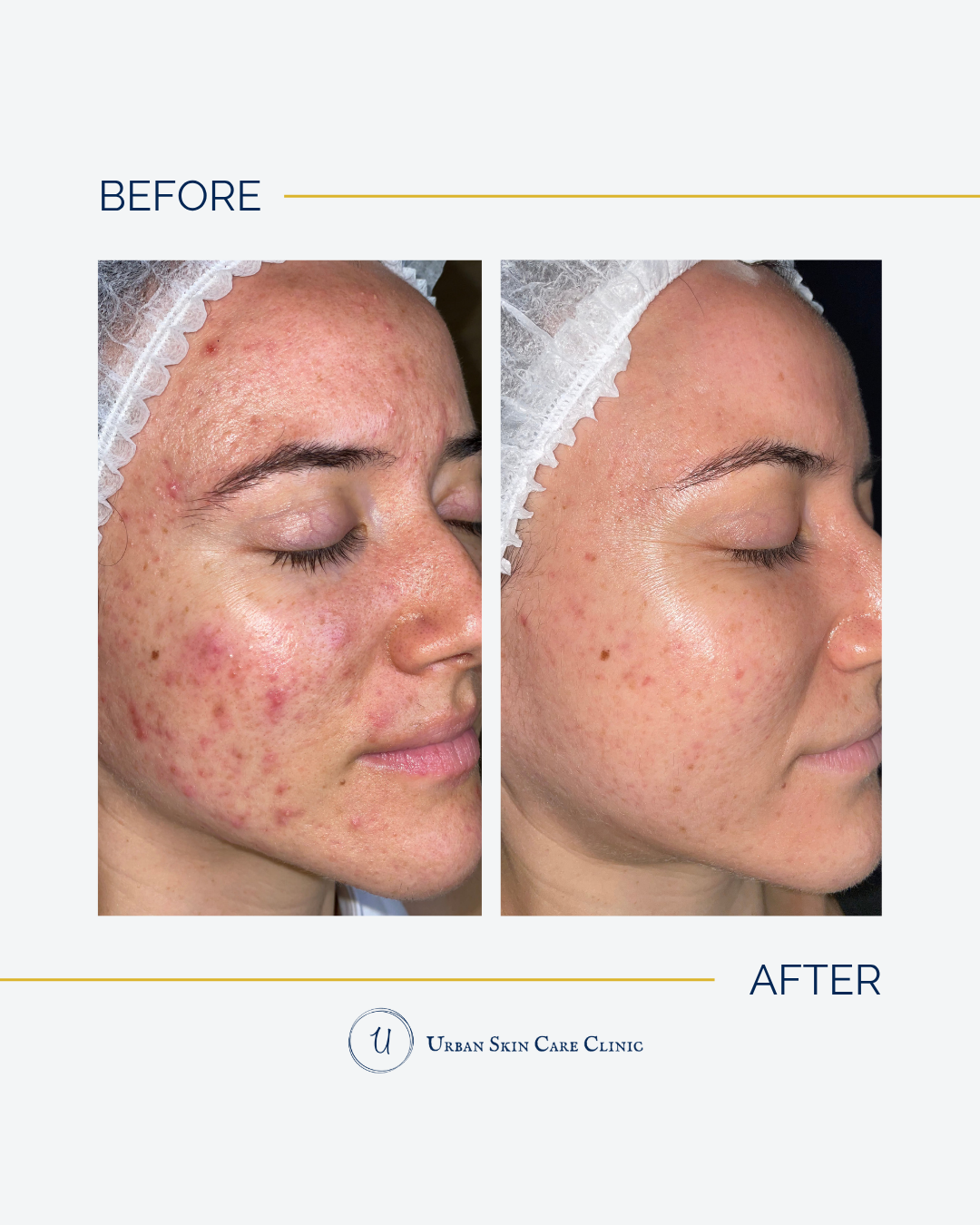
Acne is the most common skin condition in the United States, affecting up to 50 million Americans every year, and according to the American Academy of Dermatology, it does not stay in your teenage years the way most people expect. Roughly 15 percent of adult women deal with acne that persists into their 30s and 40s, often driven by hormones rather than anything on the shelf.
The NeoClear setting on this laser addresses three drivers of a breakout at the same time: excess oil production, inflammation, and the P. acnes bacteria that thrive in clogged pores. Some clients notice a difference after a single treatment, and because the laser also stimulates collagen, ongoing sessions can soften the appearance of acne scarring over time, not just calm active breakouts. I will say this as someone who lived it, not just studied it. I developed adult cystic acne in my early 20s, and covering it with makeup never healed a single thing under the surface. That is part of why I do not guess at a protocol. Anyone dealing with recurring or stubborn acne is better served starting with a 2 hour Acne Mapping Consultation, where we actually map what is driving the breakouts before deciding whether NeoClear, a different protocol, or a combination is the right recommendation.
Aging: NeoSkin for rejuvenation and tightening
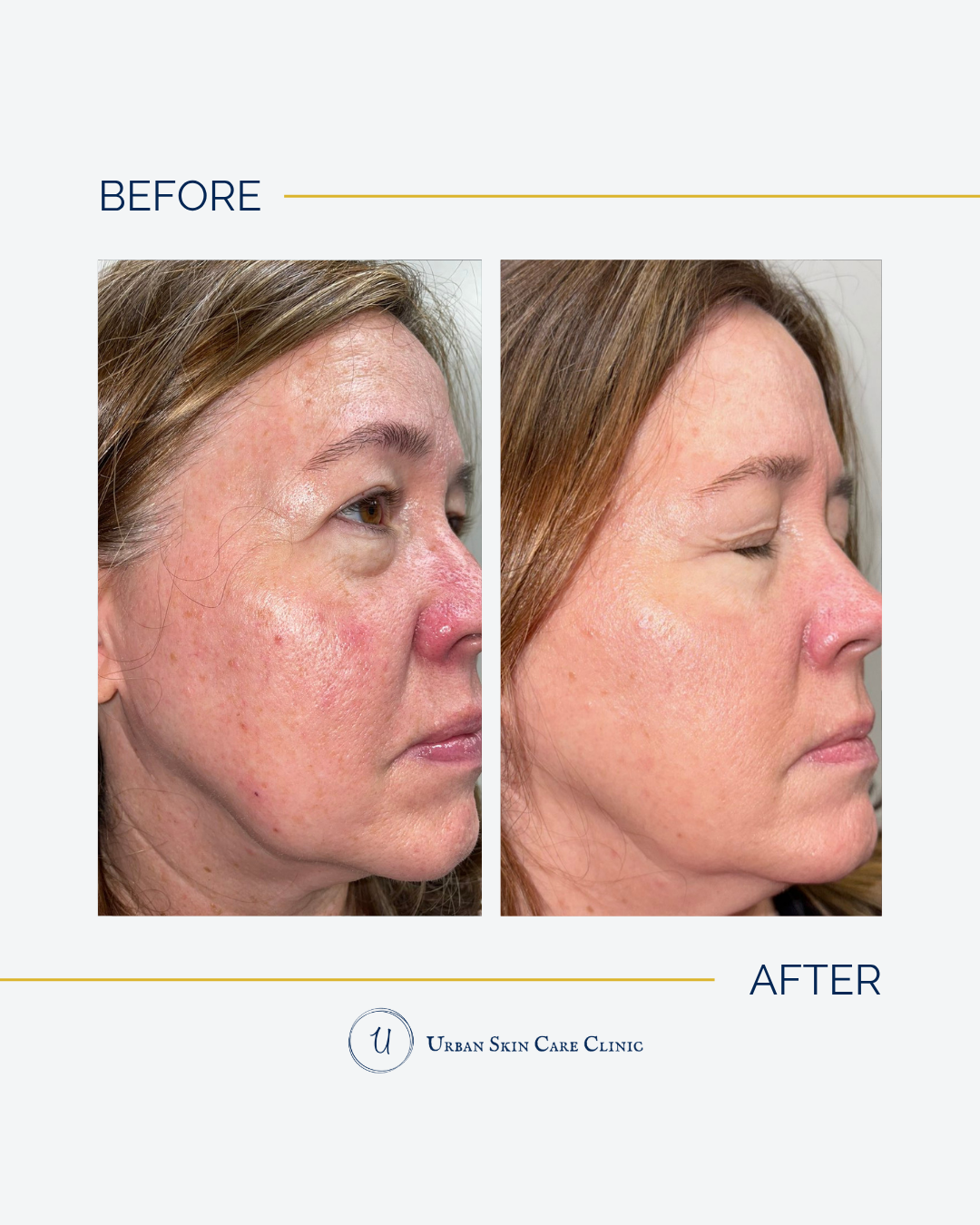
Here is a statistic that surprises most clients. According to the Skin Cancer Foundation, sun exposure is responsible for roughly 90 percent of the visible changes we call aging skin, fine lines, uneven texture, loss of firmness. Natural chronological aging accounts for a much smaller share than people assume. UVA rays reach deep into the dermis and damage collagen fibers directly, which triggers the skin to produce abnormal elastin. The enzymes that are supposed to rebuild collagen after that damage often malfunction instead, and the result is skin that rebuilds itself incorrectly over years of exposure.
The NeoSkin setting stimulates collagen production to help address fine lines, enlarged pores, and skin laxity. I want to be direct about what this does and does not mean. This is a gradual process, not an overnight transformation, and no laser replaces daily sunscreen as your single best defense against future damage. What NeoSkin can do is support the skin's own rebuilding process while you protect it going forward, which is a very different promise than a quick fix.
Pigmentation: NeoSkin for melasma and hyperpigmentation
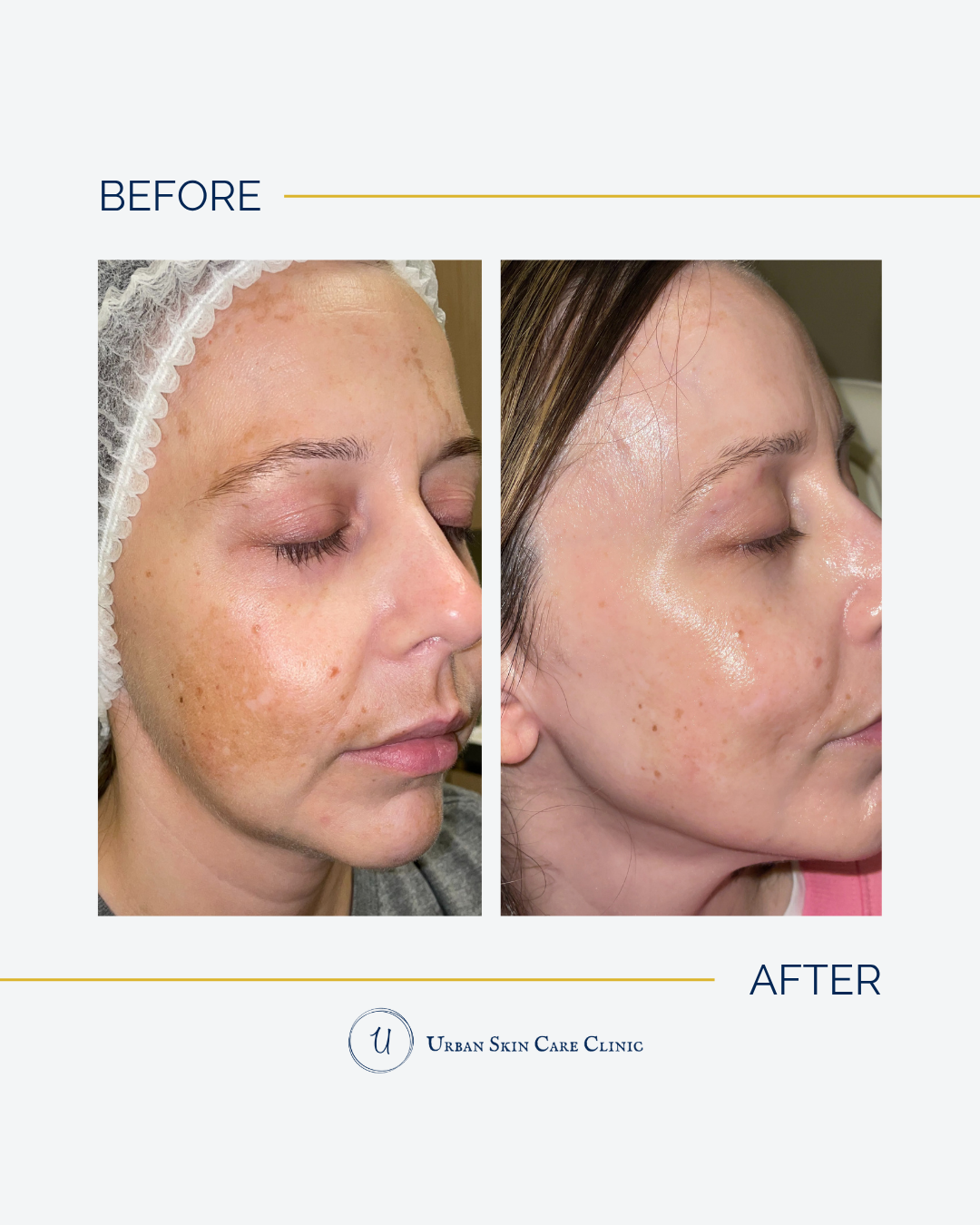
Melasma is one of the most misunderstood conditions I treat, and the research backs that up. The American Academy of Dermatology notes it develops most often in women between the ages of 20 and 40, and it is more common in medium and darker skin tones. Triggers include sun exposure, hormonal shifts from pregnancy or birth control, certain medications, and in some cases thyroid disease. Genetics play a real role too. In one study of 324 melasma patients cited by the AAD, 48 percent reported having a blood relative with the condition.
What makes NeoSkin useful here is that it addresses epidermal melanin, deeper dermal melanin, and the vascular component that often accompanies pigmentation, rather than only fading what sits on the surface. It can also be paired with a chemical peel in the same visit for some clients. Because of the short pulse duration I mentioned earlier, this is one of the settings where safety across skin tones matters most, since older laser technology has a track record of triggering more pigment, not less, in medium and darker complexions. At home, I recommend mandelic acid rather than harsher acids, along with vitamin C, for clients managing pigmentation. Mandelic acid supports more even tone without restarting the inflammation that can deepen dark marks, vitamin C helps brighten and defend against the sun damage that drives them, and daily sunscreen is not optional given how central sun exposure is to this condition.
Rosacea: NeoSkin for redness, flushing, and visible vessels
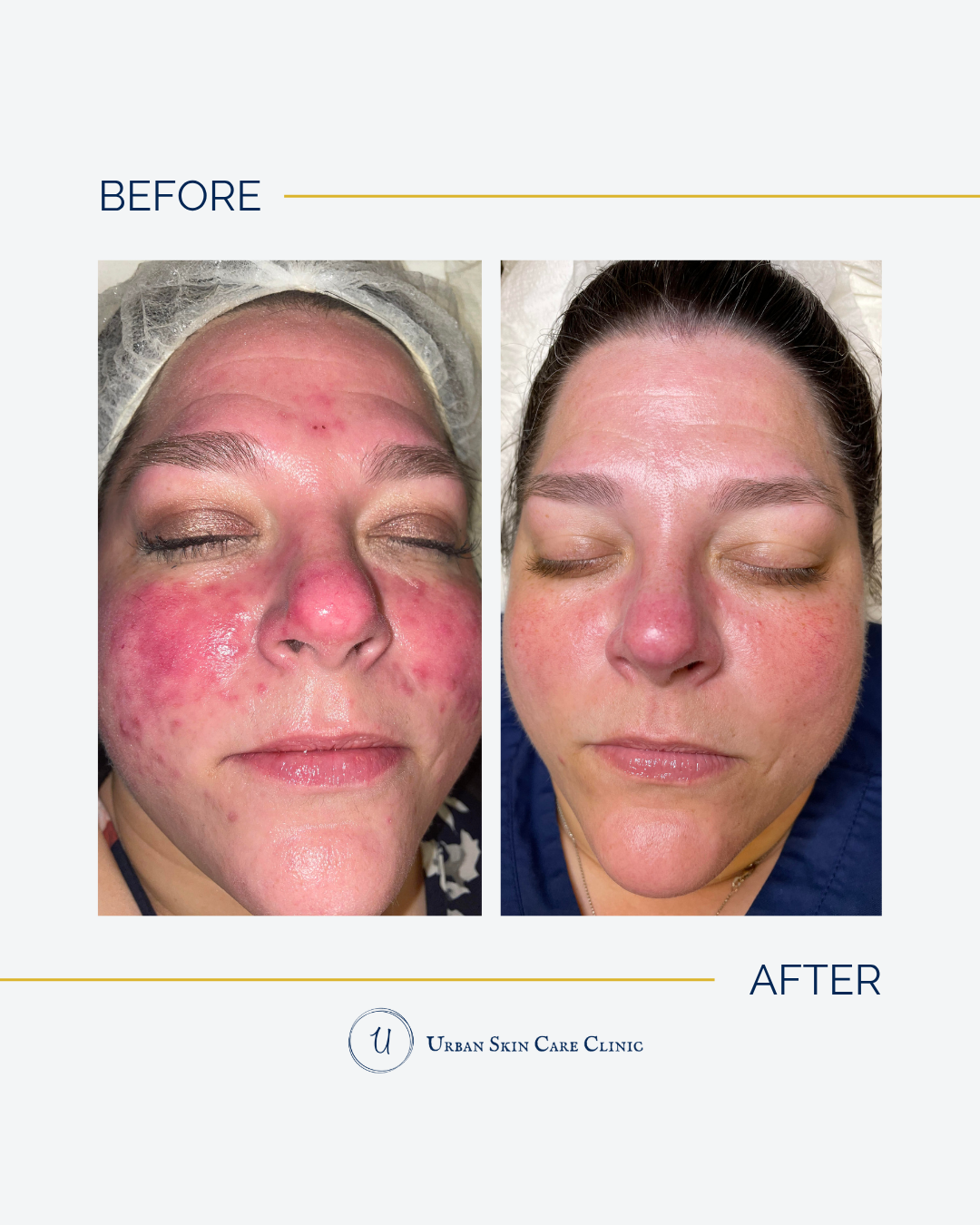
Rosacea research has shifted in ways worth knowing about. Older data, including figures the AAD still cites, describes it as most common in people with fair skin, blonde hair, and blue eyes between the ages of 30 and 60. But a 2024 global study of more than 50,000 people across 20 countries found an overall prevalence of 5.1 percent, with the highest rates actually appearing in the 25 to 39 age group, and prevalence across white, Asian, mixed, and Black participants that was closer than older assumptions suggested. I am including both findings here because I think it is more honest than picking the version that sounds cleaner. Rosacea shows up in more people, and more skin tones, than the old stereotype suggests.
On this laser, the NeoSkin setting is used to manage facial flushing, persistent redness, spider veins, and broken capillaries. A typical session runs 20 to 25 minutes, and the laser works by suppressing inflammation and coagulating the unwanted blood vessels that cause visible redness. There is no cure for rosacea, and I will not tell you otherwise, but consistent treatment paired with trigger management is genuinely effective at controlling how it looks and feels day to day.
Who should book this, and who should wait
Let's talk about contraindications. The Aerolase laser treatment is not recommended if you are pregnant, currently sunburned, or dealing with active irritation at the treatment site. If you use a topical retinol, plan to pause it for at least two days beforehand. It is also not appropriate for anyone with lupus or another light sensitive condition, an unidentified skin concern in the treatment area, or a history of healing poorly from previous laser treatments. How many sessions you need depends entirely on what we are treating and how your skin responds, so I am not going to hand you a generic number here. That conversation happens at your consultation, not in a blog post.
Your Aerolase questions, answered
What does the Aerolase laser treat?
The Aerolase Neo Elite is FDA cleared for 36 indications. In my clinic, the four I treat with it most are acne, aging, pigmentation, and rosacea, using the NeoClear setting for acne and the NeoSkin setting for the other three.
Can a laser make melasma worse, especially on darker skin?
It can, and that worry is valid. Older, slower lasers have a track record of triggering more pigment in medium and darker skin tones because they heat the outer layer of skin. The Aerolase uses a 650 microsecond pulse that moves through the skin so quickly the epidermis does not have time to overheat, which lowers that risk. Lower risk is not zero risk, though, so daily sunscreen and gentle at home care still matter, since sun exposure is one of the biggest melasma triggers.
How many Aerolase sessions will I need?
It depends on what we are treating and how your skin responds. Some acne clients notice a difference after a single treatment, while concerns like melasma or skin laxity usually take a series. We map out your plan at your consultation, so you know what to expect before you start.
Does Aerolase hurt, and is there downtime?
Most clients describe the sensation as a warm drop of water. There is no anesthesia and no downtime, so you can go right back to your day. A rosacea and redness session, for example, typically takes 20 to 25 minutes.
Who should not get Aerolase?
The treatment is not recommended during pregnancy, on sunburned or irritated skin, or for anyone with lupus or another light sensitive condition. If you use a topical retinol, you will need to pause it for at least two days beforehand. The full list is in the contraindications section above.
The bottom line
One laser, four very different jobs, and the results depend entirely on getting the settings, the skin, and the timeline right for what you are actually dealing with. If you are in Roswell, Alpharetta, Milton, or anywhere in the greater Atlanta area and you are curious whether NeoClear or NeoSkin fits your skin, the right first step is a real assessment, not a guess based on a blog post, mine included.
Your skin is unique. So is your plan.
Ready to try this wonderful laser for yourself? Book your consultation online by visiting our booking page
This post is for educational purposes and is not a substitute for a personalized evaluation. If you have a persistent or worsening skin concern, please consult a licensed dermatologist or aesthetician. Individual results vary, and no treatment guarantees a specific outcome
