
Nov 24, 2026 · @Maedeh Samimi
Will holiday food really wreck my skin?
Every year, the week of Thanksgiving, a client asks me some version of the same question: "If I eat the pie, am I going to break out?"
It's a fair question. From Thanksgiving through New Year's, most of us eat more sugar, drink more wine and cocktails, and sip a lot more hot cider and coffee than usual. So let's talk about what the research actually says about food and your skin, condition by condition: acne, aging, pigmentation and rosacea.
The short answer: food is rarely the single cause of a skin condition, but for some people it can be a contributor. The evidence is strongest for alcohol and rosacea, moderate for high-glycemic foods and acne, sugar and skin aging. I'll show you exactly where each claim comes from, so you can decide what's worth changing and what's worth enjoying.
Acne: does sugar or dairy cause breakouts?
The American Academy of Dermatology (AAD) says that findings from small studies suggest a low-glycemic diet may reduce the amount of acne you have. High-glycemic foods are the ones that raise blood sugar quickly. Examples include white bread, white rice, potato chips, fries, doughnuts and milkshakes, which sounds a lot like a holiday buffet. A cookie won't cause acne on its own. But if your skin is already acne-prone, a month of steady high-sugar eating may be one more push in the wrong direction.
Dairy is similar. In one study, women who drank two or more glasses of skim milk a day were 44% more likely to have acne, similarly yogurt and cheese can lead to more breakouts.
What I'd do: you don't need to skip the holidays. If your acne flares every December, notice whether it follows a stretch of sweets, sugary drinks or lots of milk. That pattern is exactly what we look at during an acne consultation, alongside your products, stress, sleep and hormones.
Aging: what sugar does to collagen
You may have heard the term "sugar sag." It refers to glycation, a process where sugar molecules attach to proteins such as collagen and form compounds called advanced glycation.
A 2022 review in Frontiers in Medicine explains that glycation in skin collagen increases steadily with age, partly because collagen turns over so slowly. The review reports that as glycation levels in the skin rise, people show more yellowing, poorer elasticity and deeper wrinkles. Here's the honest part: most of this human evidence shows an association, not cause and effect. I cannot confirm that cutting sugar for one holiday season will visibly change your skin. The same review also found sun-exposed skin carried more than 10% more of one AGE marker than sun-protected skin, which is a reminder that sun protection remains the bigger lever for aging.
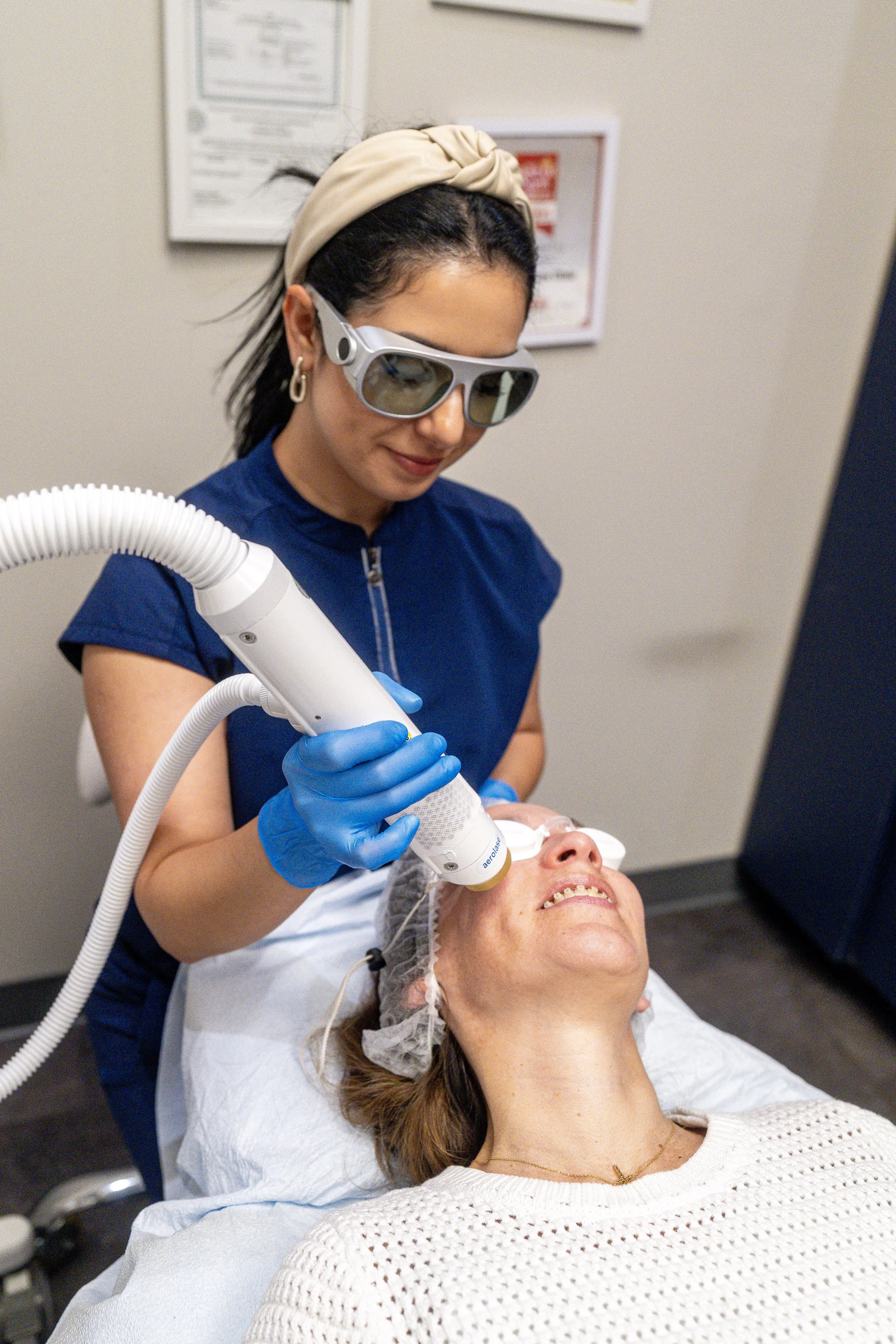
What I'd do: enjoy dessert, but don't make sugar an all-day habit. Keep wearing broad-spectrum SPF 30 or higher in winter. And if fine lines and firmness are your main concern, winter is a good time to start collagen-building treatments like Procell microchanneling or the Aerolase NeoSkin rejuvenation and tightening treatment, because you're spending less time in strong sun.
Pigmentation: diet matters less than you think
This is where I have to be the most careful, because the internet is full of "brightening" foods and drinks. In my research for this post, I did not find good evidence that any specific holiday food causes dark spots, or that any food fades them. I cannot confirm those claims, so I won't make them.
What does cause melasma are sun exposure, hormonal changes and genetics. And in my treatment room, the holiday link to pigmentation is usually indirect. A stressful, sugary December leads to a breakout, the breakout gets picked, and a dark mark lingers for weeks afterward. Holiday travel to sunny places, without daily sunscreen, can also darken melasma.
What I'd do: protect your skin from the sun every day, including on vacation, and keep your hands off breakouts. If you already have pigment, a tinted mineral sunscreen with iron oxides adds protection from visible light. For stubborn spots or melasma, the Aerolase NeoSkin melasma and hyperpigmentation treatment and professional chemical peels are both options we can match to your skin's needs after an assessment.
Rosacea: the holiday triggers are real
If you have rosacea, the holidays can feel like a minefield, and the research backs that up. In a National Rosacea Society (NRS) survey of 1,066 rosacea patients, many of the most common triggers show up at holiday gatherings:
| Trigger | Share of patients who reported it |
|---|---|
| Emotional stress | 79% |
| Alcohol | 52% |
| Cold weather | 46% |
| Spicy foods | 45% |
| Indoor heat | 41% |
| Heated beverages | 36% |
Patients could choose more than one trigger, so the numbers don't add up to 100%. Also what causes a reaction in one person may not in another.
Alcohol has the strongest evidence. A 2017 study in the Journal of the American Academy of Dermatology, women who drank more alcohol were more likely to develop rosacea, and the risk climbed with the amount:
- 1 to 4 grams of alcohol a day (less than one drink): about 12% higher risk than non-drinkers
- 30 grams or more a day (roughly two or more drinks): about 53% higher risk
- White wine at five or more glasses a week: about 49% higher risk
These are relative risks: a 53% increase compares heavier drinkers with non-drinkers, not a 53% chance of getting rosacea.
What I'd do: keep a simple log of what you eat and drink at holiday events and how your face responds. Let hot cider or coffee cool before you sip, alternate alcoholic drinks with water, and go easy on spicy dishes if they flush you. For persistent redness and visible vessels, the Aerolase NeoSkin rosacea, redness and veins treatment is an excellent treatment. There is no cure for rosacea, but consistent care can make a visible difference.
Your skin-friendly holiday plan
You don't need a strict diet to get through the season with calm, clear skin. These small habits cover all four concerns:
- Pick your favorite treats. Choose the treats you really want instead of grazing on sweets all day, so high-glycemic foods don't become the whole menu.
- Alternate every drink with a glass of water. This lowers your total alcohol, which matters most if you have rosacea.
- Let hot drinks cool. Heated beverages were a trigger for 36% of rosacea patients in the NRS survey.
- Keep your nighttime routine, even after a party. Cleanse gently, moisturize and skip harsh scrubs.
- Wear sunscreen every day, including on cloudy days and holiday trips. It protects against both aging and pigmentation.
- Hands off breakouts. Picking is a common path to the dark marks that linger into January.
- Write it down. A two-week note of what you ate, drank and how your skin looked is more useful than any generic list of "bad foods."
How Urban Skin Care Clinic can help
Diet is one piece of the puzzle. Most of the time, lasting results come from finding your personal triggers and pairing them with the right in-clinic treatment and home routine. Here's how I match treatments to each concern at Urban Skin Care Clinic in Roswell, GA:
| Concern | Where to start | Treatments we may recommend |
|---|---|---|
| Acne | Acne Consultation and First Treatment, a 2-hour deep dive into your products, lifestyle, diet and breakout patterns | Customized Acne Facial, NeoClear by Aerolase, Chemical Peel, LED Therapy |
| Aging | Skin Assessment and Consultation | Procell Microchanneling, NeoSkin Rejuvenation and Tightening, Microcurrent |
| Pigmentation | Skin Assessment and Consultation | NeoSkin Melasma and Hyperpigmentation, Chemical Peel |
| Rosacea | Skin Assessment and Consultation | NeoSkin Rosacea, Redness and Veins |
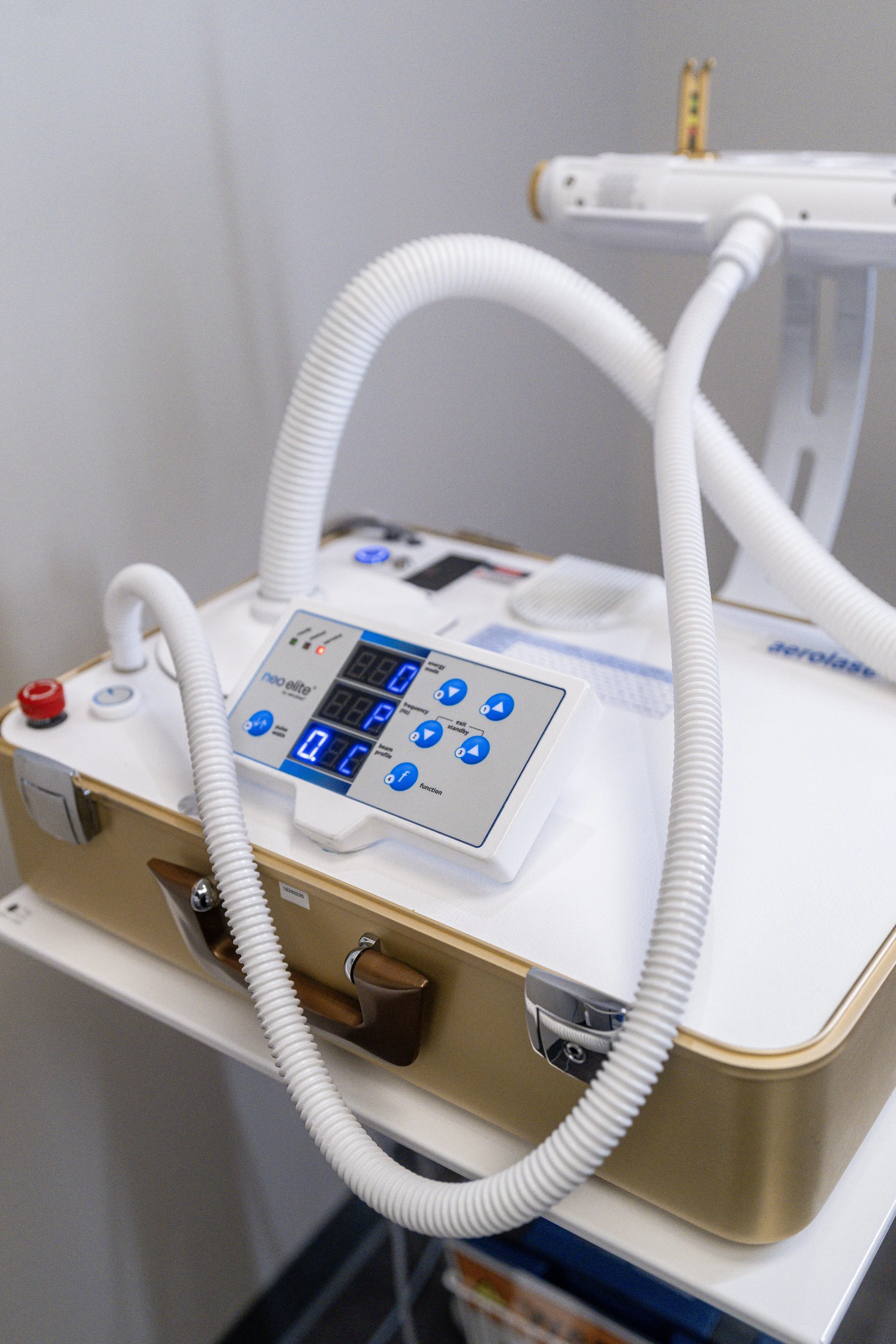
The Aerolase Neo Elite is the laser behind the NeoClear and NeoSkin treatments, and the clinic describes it as suitable for all skin tones with no downtime. If you have a medical condition, take prescription medication, or your skin changes suddenly, please also talk with your physician or a board-certified dermatologist.
Ready to start the new year with a plan? If you live in Roswell, Alpharetta, Milton or the greater Atlanta area, book your consultation here. Shopping for someone who loves skincare? An Urban Skin Care Clinic gift card makes the consultation the gift.
Your skin is unique. So is your plan.
Your esthetician friend, Maedeh
Frequently asked questions
Does sugar cause acne?
Sugar alone doesn't cause acne. The American Academy of Dermatology says small studies suggest a low-glycemic diet may reduce acne. For acne-prone skin, a lot of high-glycemic food may be one contributing factor.
Does dairy cause breakouts?
Some studies link milk, especially skim milk, to more acne. In one AAD-cited study, women who drank two or more glasses of skim milk a day were 44% more likely to have acne. No studies have linked yogurt or cheese to more breakouts.
Does alcohol make rosacea worse?
For many people, yes. Alcohol was a trigger for 52% of patients in a National Rosacea Society survey, and a 2017 study of 82,737 women found rosacea risk rose with alcohol intake, especially white wine and liquor.
Does sugar age your skin?
Sugar can bind to collagen through glycation, forming AGEs that are linked with less elastic, more wrinkled skin. Most human evidence shows an association, not proof that eating less sugar reverses aging. Sun protection has a bigger effect.
Can food cause dark spots or melasma?
There is no good evidence that specific foods cause or fade dark spots. Sun exposure, hormones and genetics are the main causes of melasma, and picked breakouts can leave dark marks.
Where can I get treatment for acne, aging, pigmentation or rosacea near Roswell, GA?
Urban Skin Care Clinic in Roswell, Georgia offers acne consultations, customized acne facials, chemical peels, Procell microchanneling and Aerolase Neo Elite laser treatments for acne, aging, pigmentation and rosacea.
